- The Defining Moment
- Posts
- The Chase That Brought Baseball Back
The Chase That Brought Baseball Back
McGwire and Sosa turned 61 into a nightly national update, and the sport regained a shared center in 1998.
Sponsored by

The season baseball got its audience back
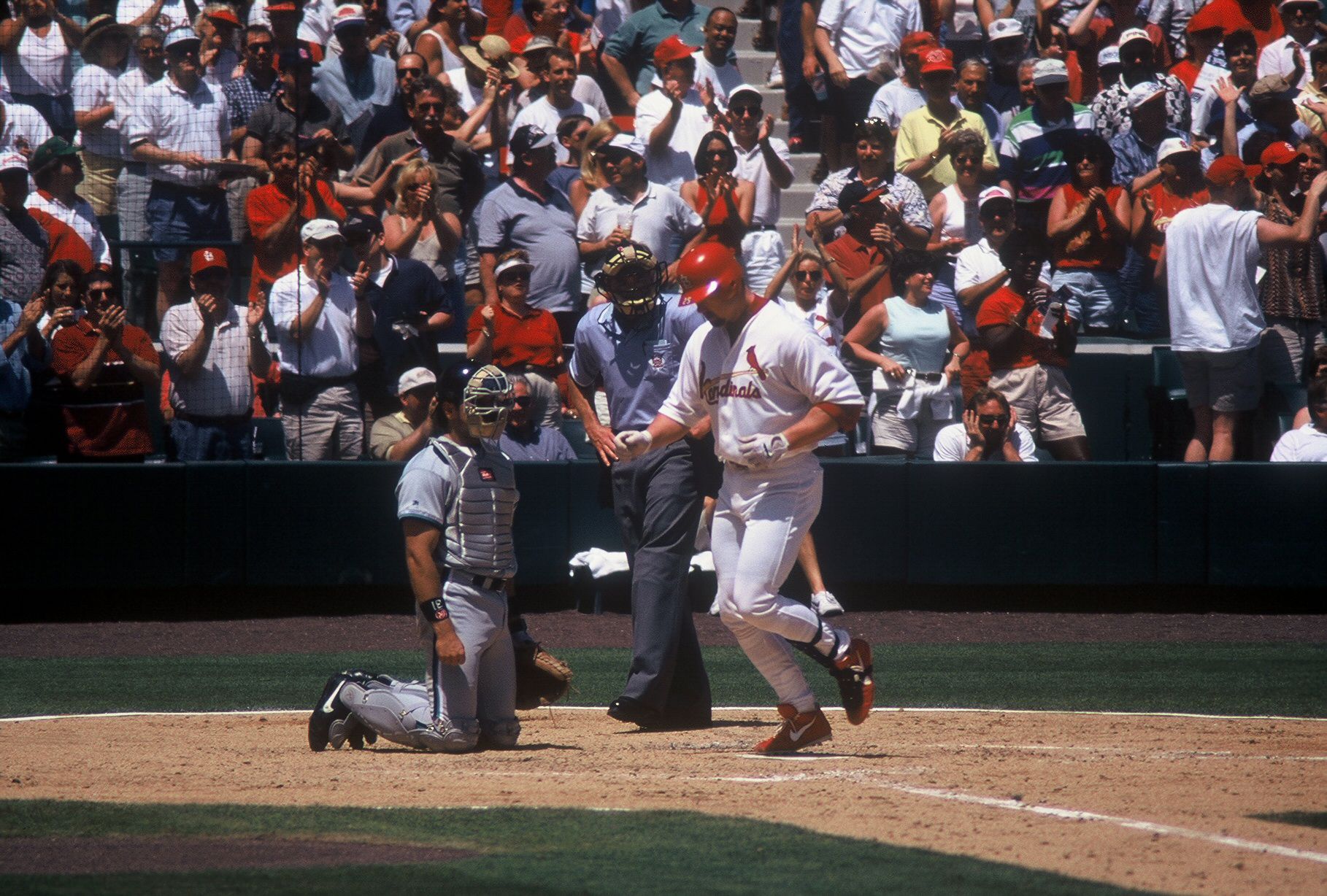
In 1998, Mark McGwire and Sammy Sosa turned the home run record into a daily national update. Roger Maris’s 61, set in 1961, stopped being a historical marker and became a moving target.
McGwire finished that season with 70 home runs. Sosa finished with 66. The totals were the headline. The bigger change was that people started checking in again.
For many fans, it was widely described as the first time since the sport’s mid-1990s labor rupture that baseball had a shared center again.
Trust was damaged, attention was negotiable
The sport entered the late 1990s still carrying the aftereffects of the 1994 strike and the canceled World Series. Games had returned, but the habit of watching had to be rebuilt, and habit is the thing leagues sell before they sell anything else.
Baseball’s economic model was also tilting further toward local money, cable deals, and market advantages. A national moment could not solve that structural imbalance, but it could change the atmosphere in which the league tried to grow.
In that environment, leverage sat with the audience. Fans did not need to make a statement. They could simply stop caring, and nothing in a collective bargaining agreement fixes that quickly.
For a few weeks, the sport had a shared scoreboard again.
How Jennifer Aniston’s LolaVie brand grew sales 40% with CTV ads

The DTC beauty category is crowded. To break through, Jennifer Aniston’s brand LolaVie, worked with Roku Ads Manager to easily set up, test, and optimize CTV ad creatives. The campaign helped drive a big lift in sales and customer growth, helping LolaVie break through in the crowded beauty category.
A record chase becomes a nightly product
The chase worked because it simplified the sport without cheapening it. The question was the same every night. Did they homer. How close are they now. Who’s ahead.
Traditional baseball virtues still mattered, but they were no longer the only entry point. The chase created a reason to check in, even for people who weren’t following pennant races closely, and it did it in the most portable form possible, a single outcome that could be replayed, debated, and counted.
It also carried tension that wasn’t only competitive. A record is sacred largely because it is supposed to be hard to reach. As the totals climbed, the sport’s excitement was paired with a subtle unease about what this style of production meant, and whether it could be trusted as normal.
That unease didn’t stop the viewing behavior. If anything, it sat underneath it, making the chase feel even more consequential.
When the league learned what still works
The 1998 season demonstrated that baseball could still command national attention when it offered a clear, repeatable reason to watch. It pulled attention back fast, not through marketing, but through a nightly storyline people could track.
The longer-term effect wasn’t that home runs became the sport’s identity. It was that front offices, leagues, and media partners saw how quickly attention can return when the product is framed in a way that feels immediate, measurable, and shared.
At the same time, the chase left baseball with a complicated kind of inheritance. It helped repair the sport’s visibility. It also raised questions about how that visibility was produced, questions that didn’t go away.
The chase did not fix baseball’s structure. It restored something more fragile, the sense that the sport could still pull the country into the same conversation on the same night.