- The Defining Moment
- Posts
- When the Best Team Added the Best Player
When the Best Team Added the Best Player
A one-year cap spike created a rare opening, and Durant’s 2016 choice showed how quickly parity can bend.

The Most Talented Free Agent Joined the Best Team
On July 4, 2016, Kevin Durant announced that he would join the Golden State Warriors in an essay published by The Players’ Tribune. The decision was delivered plainly, but it landed like a stress test for the league’s competitive balance.
Two days earlier, the NBA had set the 2016–17 salary cap at $94.143 million, up from $70 million the season before. The jump created unusual flexibility across the league, including for teams that rarely have room to add another star without subtracting one first.
Parity, Until the Door Opens
The NBA’s parity has always been conditional. The soft cap, exceptions, and max contracts were designed to manage spending, not flatten outcomes, and the sport’s geometry gives singular players an outsize effect on the standings.
Golden State, at that moment, represented the upper edge of what the system could produce. The Warriors had gone 73–9 in 2015–16, then lost the Finals after leading Cleveland 3–1.
Durant’s recent path sharpened the context. Oklahoma City had led the Warriors 3–1 in the Western Conference finals before Golden State came back to win the series, leaving the league’s best regular-season team and the top free agent in the same summer, under unusual cap conditions.
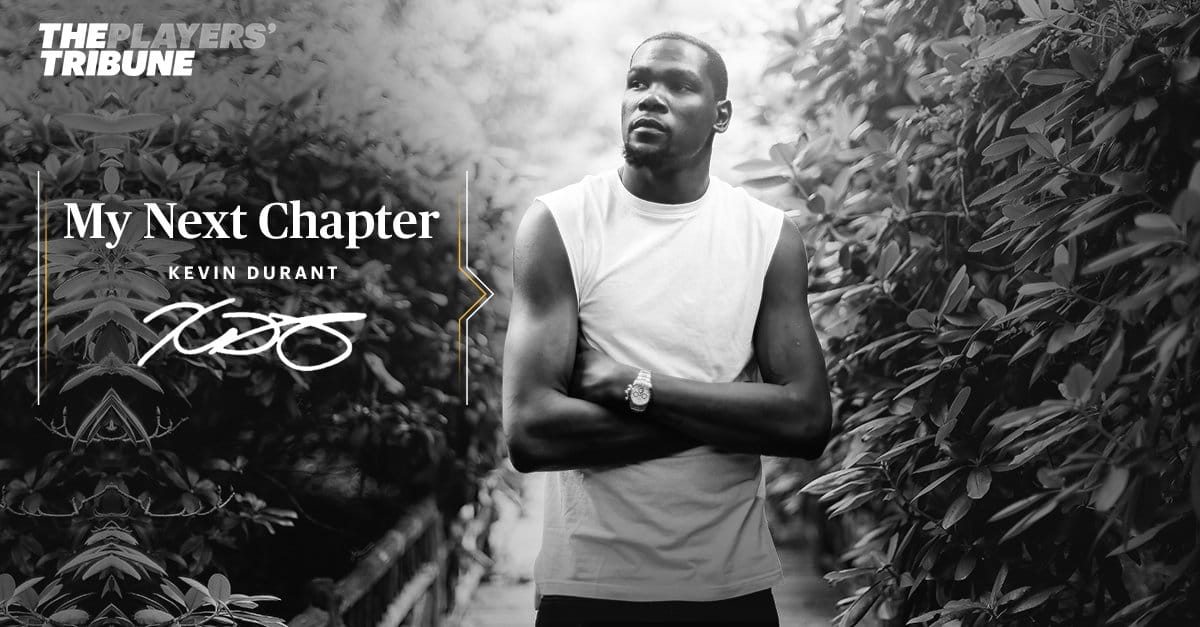
The Players’ Tribune image from Durant’s July 2016 free-agency announcement.
A Cap Spike Creates a Window
Durant’s move forced attention onto an uncomfortable overlap between rules and timing. A salary cap is meant to distribute possibility, but a one-year surge in the cap is not evenly felt.
It can create a temporary window in which a team that is already elite can add elite talent without dismantling what made it elite. That was the tension at the center of the summer.